
330,000+Children reached through
KiuFunza in Standards I–IIICumulative, 2013–2025
KiuFunza in Standards I–IIICumulative, 2013–2025

LearnImpact designs, delivers and rigorously evaluates learning systems that improve educational outcomes at scale.
We work with governments, schools and teachers to turn evidence into practical systems that can be owned, financed and sustained by the public sector.

.svg)
.svg)
.jpg)
.svg)
Evidence that moves through
systems.

Test what works in Tanzanian public schools and measure it rigorously.

Work within government structures with district councils and national institutions.

Transfer the tools, skills and systems needed for government to manage delivery.

Take proven and affordable systems to new districts and regions through government partnership.
KiuFunza works with district councils to reward teachers for measurable improvements in pupils' foundational literacy and numeracy.
Since 2013, KiuFunza has operated for 10 programme years in four phases across 18 regions of Tanzania. It has reached more than 330,000 children in Standards I–III.
More than 9,500 performance payments have been made to teachers and head teachers, worth USD 1.3 million, or TZS 2.88 billion before tax. The average bonus is about USD 135, equivalent to roughly 3.5% of a teacher's annual salary.
Independent randomised evaluations have been published in the Quarterly Journal of Economics and The Economic Journal.
Explore KiuFunza.svg)



KiuFunza works with district councils to reward teachers for measurable improvements in pupils' foundational literacy and numeracy.
Since 2013, KiuFunza has operated for 10 programme years in four phases across 18 regions of Tanzania. It has reached more than 330,000 children in Standards I–III.
More than 9,500 performance payments have been made to teachers and head teachers, worth USD 1.3 million, or TZS 2.88 billion before tax. The average bonus is about USD 135, equivalent to roughly 3.5% of a teacher's annual salary.
Independent randomised evaluations have been published in the Quarterly Journal of Economics and The Economic Journal.
Discover SOMAWe use evidence to decide what to test, what to improve and what to scale. Rigorous research has been embedded through consistent measurement systems in local government and schools, building the foundation for better informed decisions and stronger accountability.
Explore Evidence & PublicationsInputs, Incentives, and Complementarities in Education: Experimental Evidence from Tanzania
Mbiti, Muralidharan, Romero, Schipper, Manda and Rajani — Quarterly Journal of Economics, 2019.Featured publicationDesigning Effective Teacher Performance Pay Programs: Experimental Evidence From Tanzania
Mbiti, Romero and Schipper — The Economic Journal, 2023.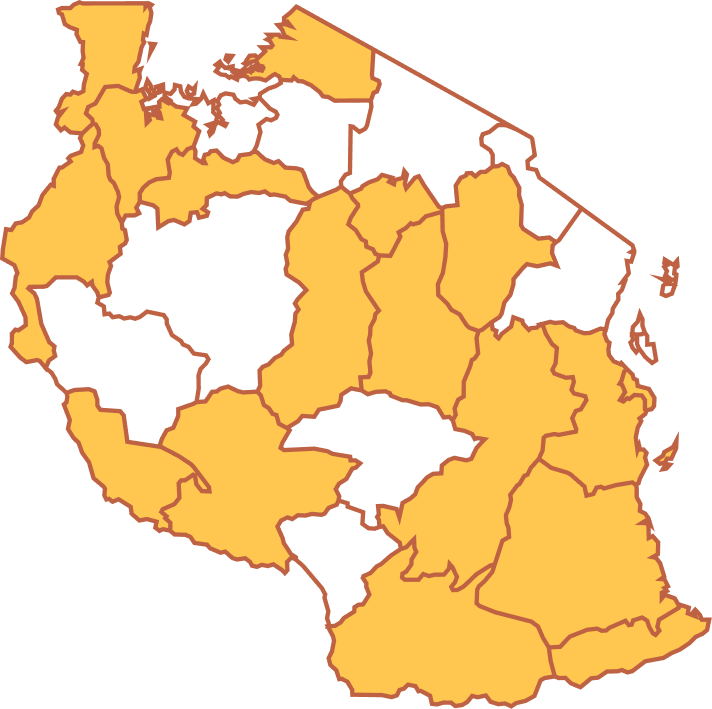
Since 2013, LearnImpact has partnered with government in Dar es Salaam, Dodoma, Geita, Iringa, Kagera, Kigoma, Lindi, Mara, Mbeya, Morogoro, Mtwara, Mwanza, Njombe, Pwani, Rukwa, Ruvuma, Shinyanga, Singida and Songwe.
Explore Our Reach.svg)
That is what LearnImpact exists to make happen.
We work with government, research organisations, funders and implementation partners to develop evidence-based approaches that can operate at scale. Our aim is not simply to run programmes. It is to strengthen the systems through which Tanzania improves.